Make Your Property Stand Out with Stamped & Decorative Concrete
Add texture, pattern and character to patios, driveways, pool decks and walkways so the concrete feels chosen for the property, not simply poured into it.
If the concrete has to be there, make it worth looking at.
Make the Concrete Feel Like It Was Chosen for the Property
Decorative concrete works best when the surface feels connected to everything around it.
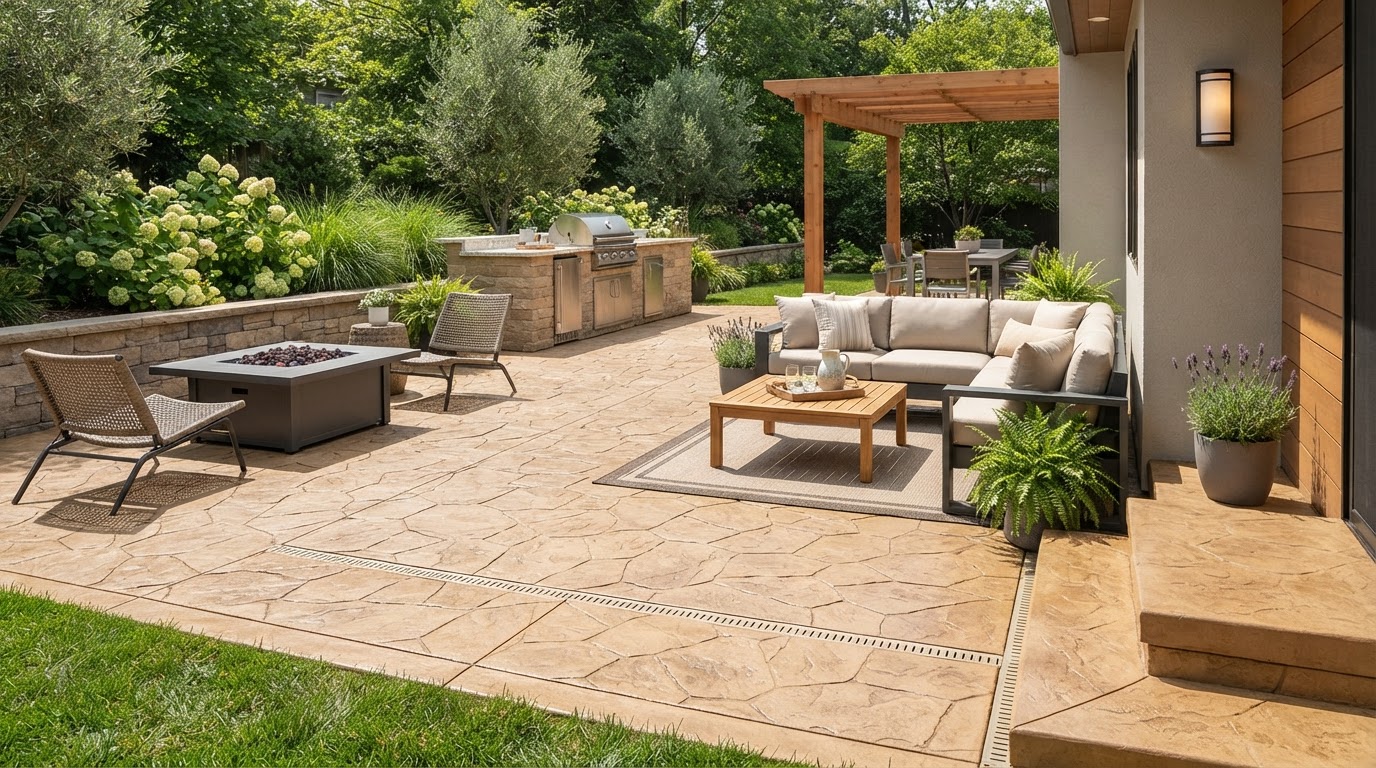
The right pattern, texture, color or border can help a driveway feel more intentional at the front of the home, make a patio feel more connected to the backyard or give a pool deck and walkway more visual character.
The first decision is not which stamp pattern looks best on a sample board. It is whether the project should begin with new concrete or whether suitable existing concrete may be a candidate for resurfacing or another decorative treatment.
Once that is clear, New City can narrow the design choices around the property, the size of the surface and the way the area will actually be used.
What you should get from the process
- A clearer understanding of whether the project should begin with new concrete or suitable existing concrete
- Design choices narrowed around the home, landscaping and surrounding surfaces
- Pattern, texture, color and border options considered together rather than separately
- Practical planning around use, drainage, access and everyday traffic
- A clear estimate and next step before approved work moves forward
Start With How You Want the Finished Area to Feel
Stamped and decorative concrete gets its character from several decisions working together.
Pattern matters, but so do texture, color, borders and the scale of the surface. A combination that looks interesting on a small sample can feel very different across a full driveway, patio or pool deck.
Start with the property itself. Should the concrete sit quietly with the home and landscaping, or should it become a more noticeable design feature? Once that direction is clear, the individual choices become easier to narrow.
The exact colors, patterns and decorative systems available will depend on the materials and finish selected for the actual project.
Texture changes how the surface reads up close and can give a plain concrete area more visual depth without relying on color alone.
Pattern can introduce the look of stone, brick, tile or other materials depending on the decorative system selected for the project.
A contrasting border can frame a driveway, patio, pool deck or walkway and help define the finished surface without changing the entire design.
Base tones, highlights and surrounding materials all influence whether the finished concrete feels connected to the home, landscaping and other hardscape.
New Concrete and Existing Concrete Start With Different Decisions
Decorative concrete can begin in two very different places.
A new installation allows the decorative finish to be considered as part of the concrete project from the beginning. Existing concrete starts with another question: is the slab still suitable for the decorative approach being considered?
The condition underneath should be understood before color, pattern or texture becomes the focus.
New Stamped Concrete
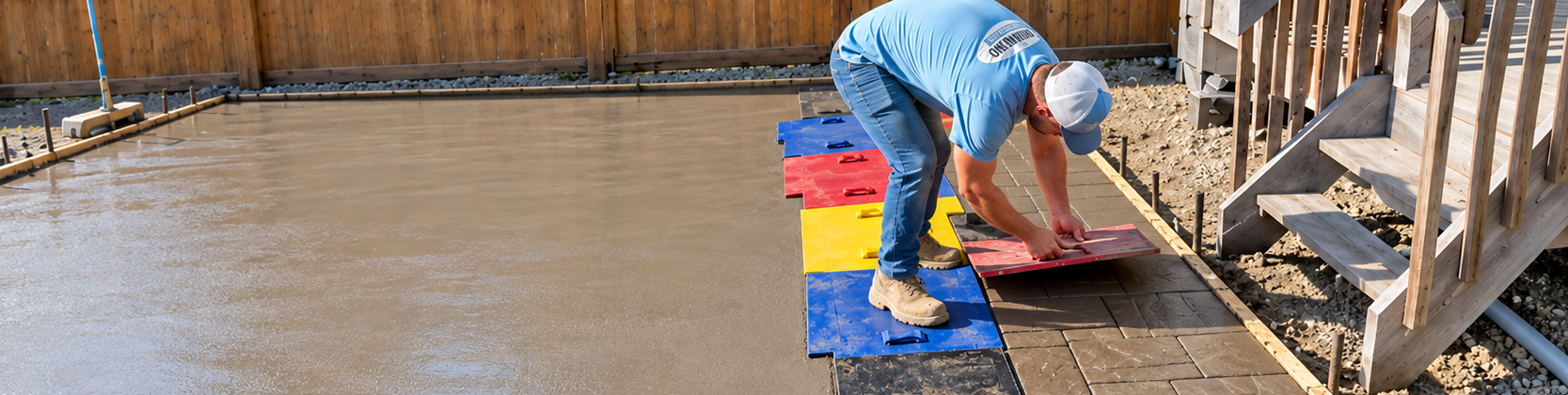
When a new patio, driveway, walkway or other concrete surface is being installed, the decorative finish can be planned alongside the size, layout, intended use and surrounding property.
Pattern, texture, color and borders become part of the overall concrete plan rather than something added after the slab is already in place.
Existing Concrete
Existing concrete does not always need to be removed simply because the surface looks dated or plain. When the slab remains suitable, resurfacing or another decorative treatment may be worth considering.
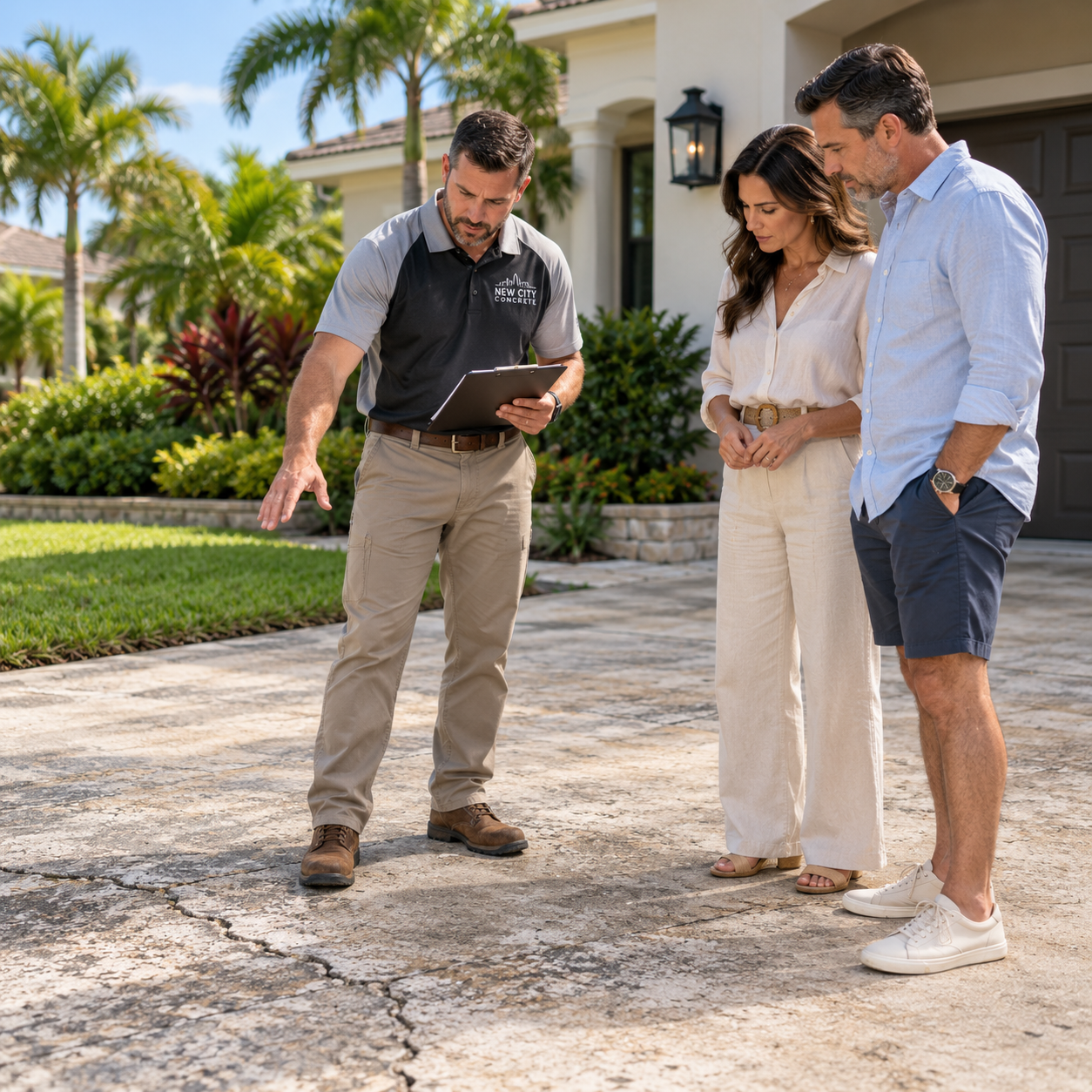
Cracking, settlement, movement, drainage and previous coatings can all affect which options make sense.
Make Sure the Concrete Is Worth Decorating First
A decorative finish can completely change how concrete looks. It cannot make every problem underneath disappear.
If an existing patio, driveway, walkway or pool deck is cracking, settling, moving or holding water, those conditions should be understood before a decorative overlay or resurfacing system is selected.
The same applies to drainage. A new finish may improve the appearance of a low area, but it will not automatically change where water goes.
Before recommending decorative work over existing concrete, New City looks at the condition of the slab and what is happening around it. That helps determine whether the conversation should stay focused on the finish or move first toward repair, additional surface preparation, resurfacing or replacement. repair, resurfacing preparation or replacement.
The Right Decorative Finish Depends on Where You’ll See and Use It
A decorative driveway, patio, pool deck and walkway may use some of the same design tools, but they do not serve the same purpose.
Scale, traffic, wet conditions, surrounding materials and how often the surface is viewed up close can all influence how much pattern, texture and color make sense.
Concrete Driveways
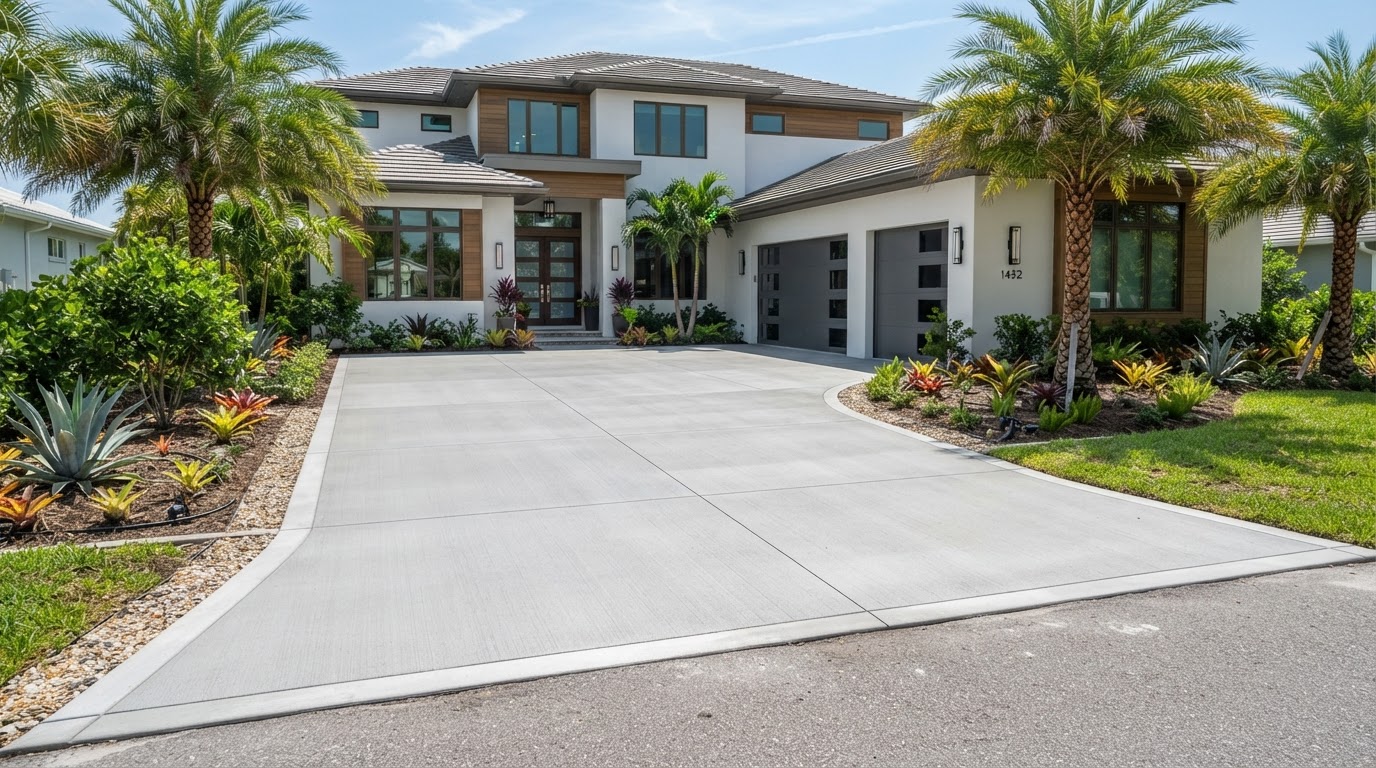
A decorative driveway becomes part of the front of the property and is usually viewed across a large surface. Pattern, color and borders should work with the home and landscaping without making everyday vehicle use an afterthought.
Learn MoreConcrete Patios
A patio is experienced up close around furniture, doors and outdoor living areas. Decorative concrete can help the surface feel more connected to the home and backyard while still making sense for everyday use.
Learn More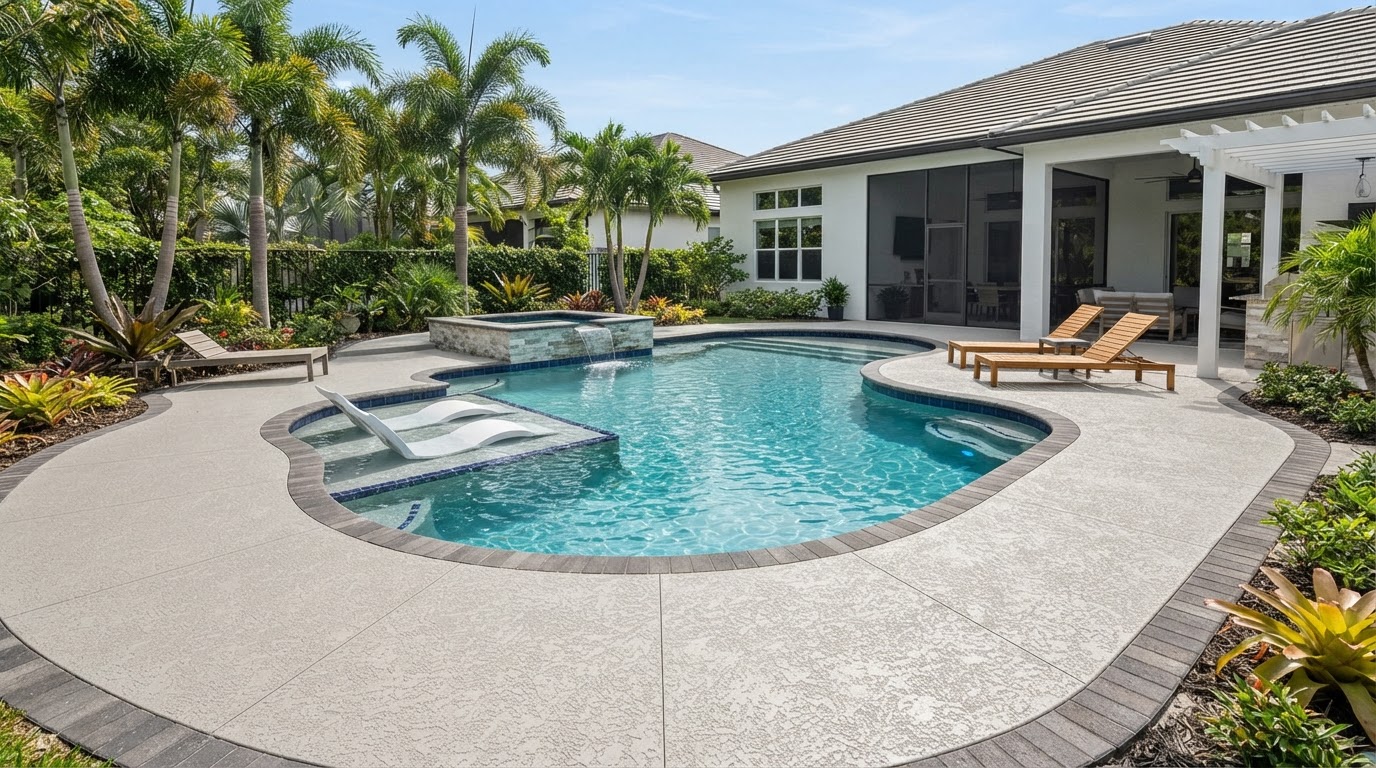
Concrete Pool Decks
Around a pool, appearance is only part of the decision. Texture, direct sun, wet foot traffic, drainage and maintenance should all be considered when choosing a decorative finish.
Learn More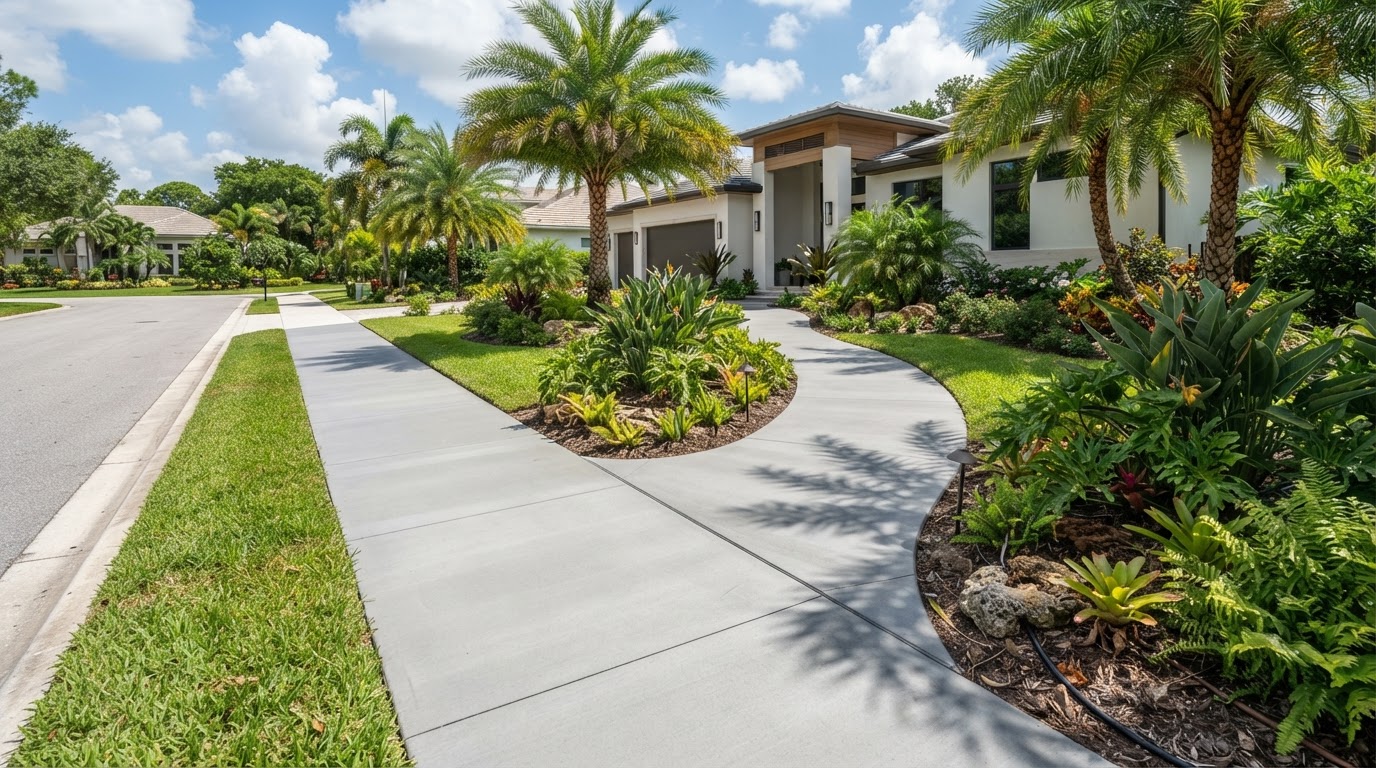
Concrete Walkways
A decorative walkway can help connect entrances, patios, pool areas and landscaping so the route feels intentionally designed as part of the property.
Learn MoreThe Finish Still Has to Work With Tampa Sun and Rain
Outdoor concrete in Tampa spends much of the year exposed to strong sun, humidity and periods of heavy rain.
Pool areas and other frequently wet surfaces add another layer to the decision.
Those conditions do not point to one universal decorative finish. They do make surface preparation, drainage, texture, color and maintenance worth discussing before work begins.
A decorative treatment can change how concrete looks, but it cannot correct every drainage problem or stop an unstable slab from continuing to move. That is why the project should begin with the surface and the site, then move into design.
Get the Surface and Design Decisions Right Before the Finish Goes Down
The exact sequence depends on whether the project begins with new concrete or suitable existing concrete. Either way, the decorative choices should come after the surface, use and site conditions are understood.
Understand the Surface and How It Will Be Used
Review the existing conditions, project area, access, drainage and what the finished surface needs to handle.
Choose the Right Project Approach
Determine whether the project should begin with new concrete or whether suitable existing concrete may be considered for resurfacing or another decorative treatment.
Narrow the Design
Work through pattern, texture, color and border choices that make sense for the property and the scale of the finished surface.
Prepare, Install and Finish the Surface
Complete the preparation and installation required for the actual project and decorative system selected.
Once the surface, scope and finish direction are clear, the estimate becomes much easier to understand.
What Shapes the Cost of Stamped and Decorative Concrete in Tampa?
There is no useful single square-foot number that fits every stamped or decorative concrete project.
Size matters, but so does where the work begins. New concrete, resurfacing suitable existing concrete and preparing a worn surface for decorative work can involve very different scopes.
Access, site conditions, surface preparation, pattern complexity, color choices, borders and finishing or sealing requirements can also affect the project.
The most useful estimate comes after the actual surface, desired look and project conditions have been reviewed.
- Size and layout of the project
- New concrete versus work over a suitable existing surface
- Surface preparation or repair requirements
- Access and site conditions
- Pattern, texture, color and border complexity
- Finishing or sealing requirements for the selected system
Keep the Decorative Finish Looking Like Part of the Property
Maintenance depends on the finish, exposure and the way the surface is used.
Routine cleaning helps control dirt, organic buildup and the everyday wear that can make decorative concrete look tired over time.
Some decorative systems may also use a protective sealer, but the appropriate product and timing depend on the actual finish rather than one universal schedule.
When the project approach and finish are known, New City can explain the care that applies to that surface.
Questions About Stamped and Decorative Concrete in Tampa
What Would Make the Concrete Feel More Like Part of the Property?
Tell us which surface you want to improve and what you have in mind for the finished look. New City can review the existing conditions, talk through new concrete or decorative resurfacing where appropriate, and help narrow the next step.