Tampa Concrete Repair That Makes the Property Feel Cared For Again
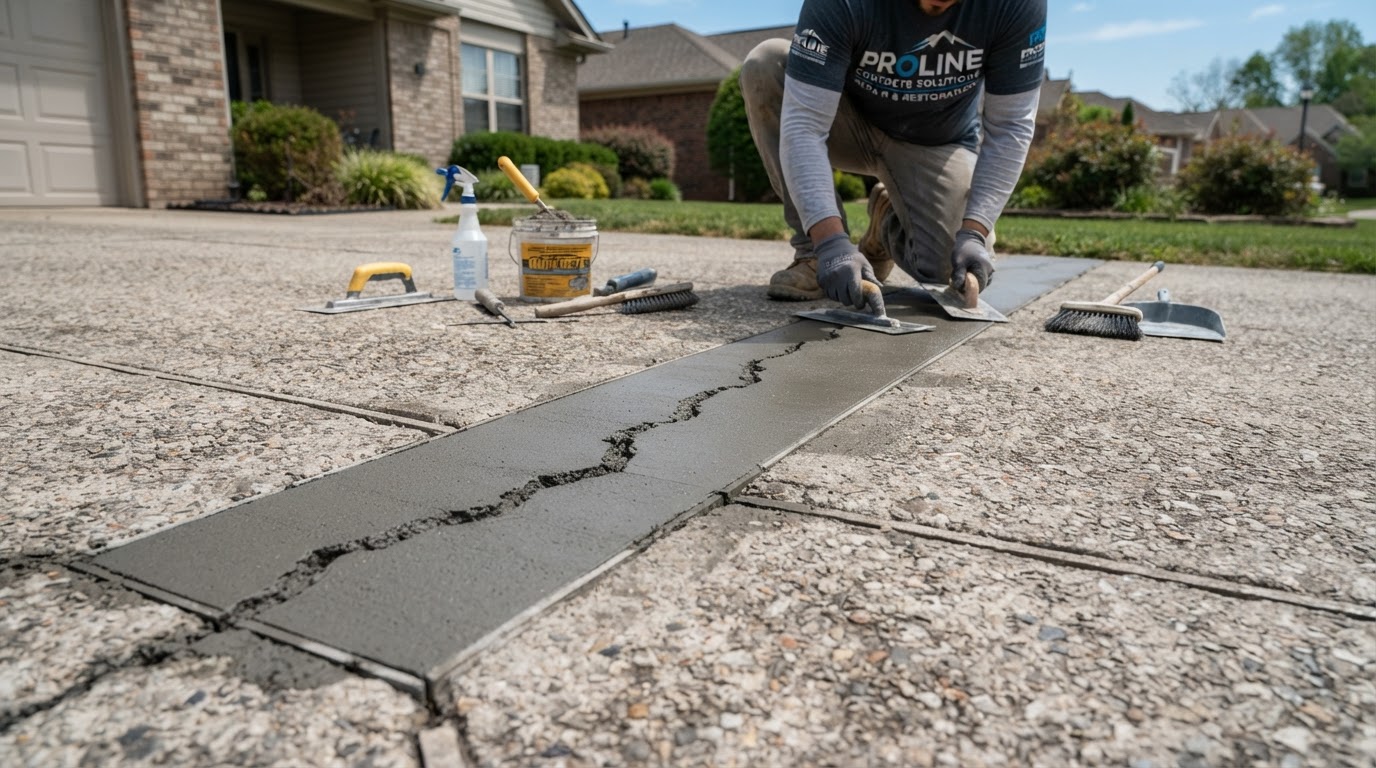
Cracks, settled areas and worn concrete can make the whole property feel neglected. New City repairs damaged surfaces with the goal of making the area look better, feel more complete and work the way it should again.
Repair the problem. Restore the way the property feels.
Different Concrete Problems Call for Different Repairs
Concrete damage can show up as a crack, worn surface, broken joint, uneven section or an area that has deteriorated more deeply. Those problems may look similar from a distance, but they do not automatically call for the same repair.
The first step is understanding what has actually failed and how much of the surrounding concrete remains worth keeping. From there, the conversation can move toward a focused repair, resurfacing, partial replacement or a larger rebuild where the condition calls for it.
Crack Repair and Sealing
Cracks that are isolated, open or allowing water and debris into the surface.
Surface Resurfacing and Patching
Spalling, pitting, worn areas and surface deterioration where the concrete underneath remains suitable.
Joint Repair
Failed joint material, broken joint edges and openings that need to keep functioning as intended.
Full-Depth Repair and Replacement
Deeper deterioration, failed sections or concrete that no longer provides a dependable base for a surface repair.
Fix the Damage Without Losing Sight of What Caused It
Cracks, flaking surfaces, open joints and uneven sections can make otherwise usable concrete look neglected and become harder to walk or drive across.
But the visible damage is only part of the decision. Water moving beneath or around the slab, continuing settlement, tree roots, failed joints, repeated loading or weak surface material can all affect which repair makes sense.
New City looks at the damaged area, how the concrete is being used and what is happening around it before narrowing the scope. Sometimes the right answer is a focused repair. Other conditions may point toward resurfacing, partial replacement or rebuilding a section that no longer gives a repair a dependable place to hold.
Common signs that should be evaluated
- Cracks that are widening, moving or regularly collecting water
- Flaking, scaling, pitting or exposed aggregate at the surface
- Broken edges around joints
- Uneven areas that collect water or create a noticeable change in elevation
- Localized damage on a driveway, walkway, patio or set of steps
- Previous repairs that continue to loosen or break apart
The Crack Is Not Always the Whole Problem
Concrete is exposed to weather, water, repeated use and movement throughout its life. A visible crack or broken edge may begin at the surface, or it may be responding to something happening underneath or around the slab.
The pattern of damage, surrounding grades, drainage, nearby landscaping and the way the concrete is used can all help narrow the possibilities. The goal is not to diagnose every cause from appearance alone. It is to understand enough about the condition to avoid choosing a surface repair for a continuing problem underneath.
Water and Loss of Support
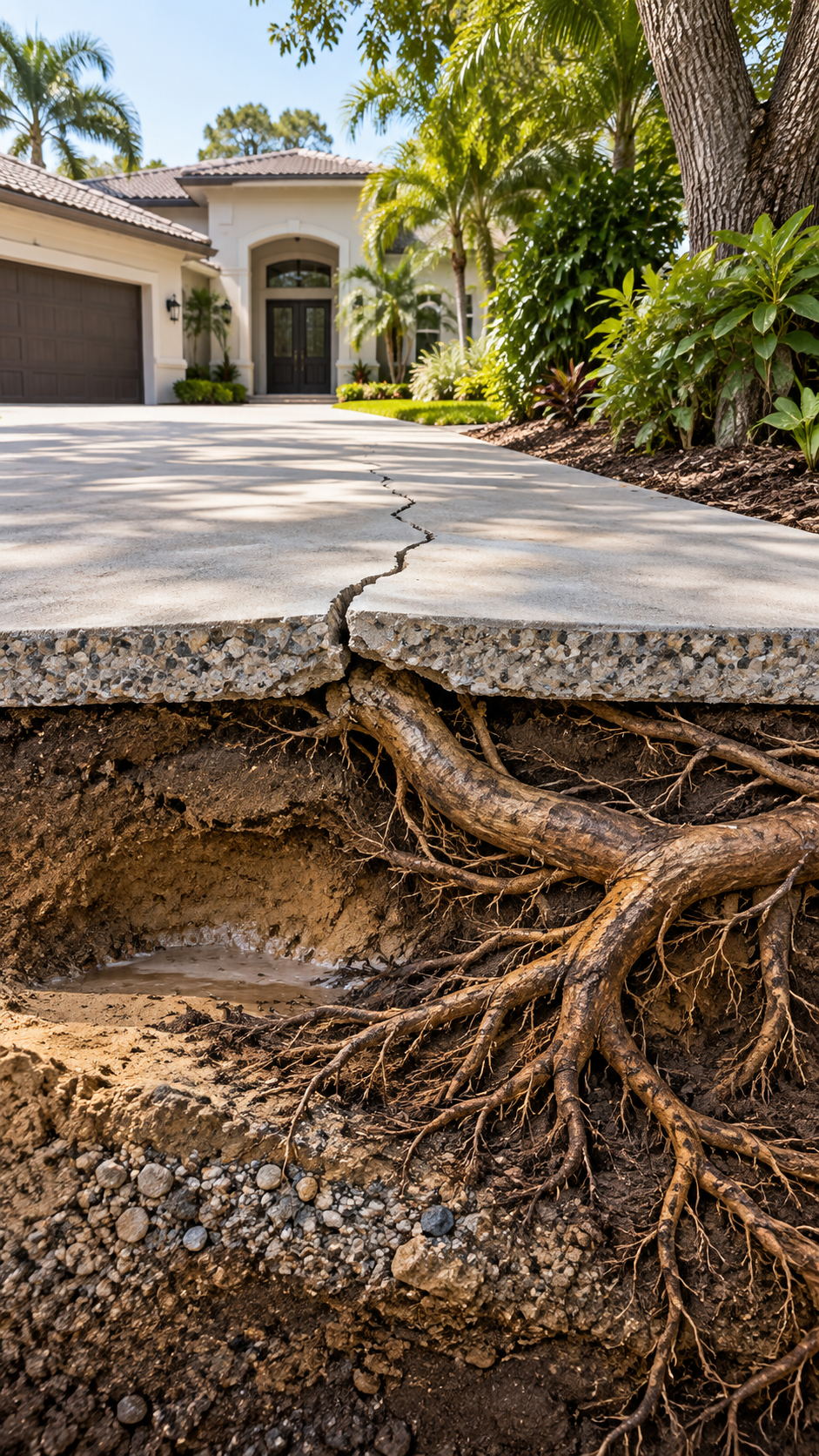
Repeated water movement can carry supporting material away or soften areas beneath concrete. Voids or changing support may contribute to settlement, cracking or rocking sections.
Heat and Surface Exposure
Direct sun, moisture and repeated weather exposure can contribute to visible surface deterioration. Existing coatings, finishing conditions and previous repairs may also affect what appears at the surface.
Tree Roots and Surrounding Landscape
Growing roots can lift or displace nearby concrete. The tree, root area, landscaping and amount of movement should all be considered before deciding how the concrete itself should be addressed.
Movement and Repeated Loads
Settlement, changing support and repeated loads can affect joints, edges and slab sections. The location and pattern of the damage can help determine whether a local repair is enough.
Not every cause can be confirmed from the surface alone. The purpose of the evaluation is to understand the damaged area and surrounding conditions well enough to choose a repair that fits what is actually happening.
Treat the Crack You Have, Not a Generic Crack
Concrete cracks vary in width, depth, location and movement.
A small, stable surface crack does not necessarily call for the same treatment as a wider crack that continues to open, crosses a joint or appears alongside settlement. The repair should follow the condition of the crack and the surrounding concrete rather than relying on one material or method for every situation.
Surface and Hairline Cracks
Minor, stable cracks may be candidates for cleaning and treatment with a compatible repair or sealing system. The objective may be to reduce water entry, improve appearance and accommodate limited movement where the selected material allows it.
Deep, Wide or Moving Cracks
Larger or recurring cracks deserve a closer look at the slab and surrounding conditions. Depending on the depth, movement and cause, the better approach may involve a more substantial repair, reconstruction of the affected area or replacement of a section that no longer provides a dependable base.
Crack filling and sealing
Open cracks can collect water, dirt and plant growth. Preparation may include cleaning the opening, removing loose material and creating the conditions required for the selected repair material to bond properly.
Flexible materials may be appropriate where limited movement needs to be accommodated. More rigid materials may suit other stable conditions. The repair method should follow the crack and product requirements rather than one universal formula.
No crack repair can guarantee that movement elsewhere in the slab will stop. If the concrete continues to settle, lift or flex, the repaired area or another location may show movement later.
Driveway and sidewalk crack repair
Cracked driveways and walkways affect appearance and can create uncomfortable or uneven transitions for the people using them.
When the surrounding concrete remains sound, a focused repair may improve the affected area without removing the entire slab or section. When cracking is widespread, elevations have changed or support has been lost, the condition should be compared with partial replacement, full-section replacement or another appropriate corrective approach.
Refresh Worn Concrete When the Slab Beneath It Is Still Worth Keeping
Surface deterioration can range from a small chipped area to broader flaking, pitting or wear across a larger slab. Localized patching rebuilds a limited damaged area. Resurfacing can address a broader worn surface when the existing concrete remains suitable for the selected system.
Both approaches depend on preparation and on having concrete underneath that can support the repair.
Spalling and Pitting
Flaking, chipped or scaled concrete can expose aggregate and leave the surface rough or uneven. The damaged material should be evaluated before a compatible repair or patch is selected.
Concrete Resurfacing
A compatible resurfacing or overlay system may refresh a larger horizontal surface when the existing slab remains suitable enough to receive it. Preparation and moisture conditions can affect how well the new layer bonds.
Spalling and surface loss
Spalling is the loss of material from the face of the concrete. It may appear as peeling, scaling, shallow craters or exposed aggregate. Moisture, surface weakness, impact, an incompatible previous repair or conditions during the original placement and finishing may contribute.
Repair begins with understanding how deep the deterioration goes and removing unsound material where appropriate. Placing a thin cosmetic layer over concrete that is already loose underneath does not give the new material a dependable base.
Concrete resurfacing for a broader refresh
When a driveway, patio or walkway is still suitable but has broader cosmetic wear, resurfacing may provide a cleaner and more consistent finish. The existing surface needs appropriate preparation, and localized repairs may be required before the resurfacing system is applied.
Resurfacing does not correct continuing settlement, major loss of support or an unstable slab. For a broader look at overlay methods, see the Concrete Resurfacing page.
Repair the Joint Without Ignoring What It Was Designed to Do
Concrete joints help manage movement and separate adjoining sections. When joint material fails or the surrounding edges begin to break, water, dirt and vegetation can enter the opening and traffic can continue wearing away the sides. The repair should address the damaged edges and opening while still respecting the purpose of the joint.
Joint Sealing and Filling
Joint repair may involve cleaning the opening, removing failed material, rebuilding damaged edges and installing a compatible flexible sealant or other appropriate joint material. The selected material should match the joint's intended movement and use.
Broken edges and open joints
A joint that has lost its seal may collect water, soil and vegetation. Chipped edges can widen the opening and make the damage more noticeable.
Repairing unstable or damaged material beside the joint before resealing may create a cleaner, better-supported edge. Movement joints need materials that allow them to continue functioning as intended rather than simply being filled with a rigid patch.
Walkway Joints and Uneven Edges
Changes in elevation between walkway sections deserve attention, especially along common routes to doors, driveways and other frequently used areas. The appropriate correction depends on the amount of elevation change and what caused it.
Grinding may suit some small, stable high spots. Lifted, cracked or unsupported concrete may call for another repair approach or section replacement.
Rebuild the Affected Area When Surface Repair Is Not Enough
Some deterioration extends too deeply for sealing or resurfacing to make sense. Badly fractured concrete, failed supporting conditions or deterioration through a significant portion of a section may require removing damaged material and rebuilding the affected area.
The amount of sound concrete that remains should help determine whether the project calls for a deeper patch, partial replacement or replacement of the complete section.
Partial or Full-Depth Repair
Unsound concrete can be removed back to a stable boundary before the affected area is rebuilt with a compatible repair material or concrete. The depth, edges, existing reinforcement and condition of the surrounding section all influence the repair.
Section or Slab Replacement
Replacement may be the more dependable option when deterioration is widespread, support has failed, elevations cannot reasonably be corrected or the remaining concrete no longer provides a suitable base for repair.
Concrete stair repair
Cracked treads, broken edges and worn stair surfaces can make an entrance look neglected and become harder to use comfortably. The cause and depth of the deterioration should be considered before choosing a patch.
Localized damage may be repairable. More extensive movement, failed support or deeper deterioration may point toward rebuilding part or all of the affected stair section. See the Concrete Steps & Stairs page for more.
Soil erosion and loss of support
Heavy water movement can carry material from beneath a slab or soften areas that no longer provide uniform support. The concrete may then crack, settle or rock under use.
A visible crack may be only one sign of what is happening underneath, so drainage and support conditions should be considered before the surface alone is repaired. The cause can vary from one property to another. Water movement, existing fill, drainage patterns and other site conditions may all contribute.
Tree-root uplift
Roots from established trees can lift nearby concrete and create uneven joints or sections. The appropriate response depends on the amount of movement, the surrounding landscape and the condition of the concrete.
Where the health, protection or treatment of the tree itself affects the project, advice from an appropriate tree professional may also be needed before the concrete work is finalized. Surface grinding alone may not make sense when movement is significant or continuing.
Settled Sections and Low Spots
When one section settles, it may collect water, hold debris or create an uneven transition with adjoining concrete. The right response depends on what caused the movement, the amount of settlement, access and the condition of the surrounding slab.
Depending on the project, the conversation may involve drainage correction, edge repair, partial replacement or replacing the affected section.
Give the Repair a Sound Surface to Bond To
The exact repair changes with the damage and the material selected. The general sequence is simpler: understand what failed, remove what no longer provides a dependable base, prepare the repair area and install the appropriate material for the actual condition.
Inspect, Clean and Prepare
Review the damage and surrounding conditions, then remove dirt, growth, oil where treatable and loose concrete as required. Preparation may involve washing, routing, sawing, cutting or grinding when appropriate for the repair.
Create a Sound Repair Surface
Remove weak material back to stable concrete and prepare the edges, joints or exposed surface according to the repair system being used. Apply a primer or bonding agent when the selected system requires it.
Place the Repair
Install the compatible repair material or concrete and shape it around the surrounding surface, drainage and intended use of the area.
Finish and Protect
Match the surrounding texture as closely as the repair and existing concrete reasonably allow. Apply any specified protective treatment and provide project-specific care and return-to-use guidance for the material installed.
Once the surface, scope and repair direction are clear, the estimate becomes much easier to understand.
Keep the Concrete That Still Makes Sense to Keep
Repair should not automatically mean replacing everything. It also should not mean repeatedly patching a section that no longer gives the repair a dependable place to hold. The right scope depends on how much sound concrete remains and whether the condition causing the damage can reasonably be addressed.
Focused Repair
Often considered for isolated cracks, failed joint material, small spalls, chipped edges or limited damage where the surrounding concrete remains stable.
Resurfacing
Often considered when a larger surface is worn or visually inconsistent but the concrete underneath remains suitable for a compatible resurfacing system.
Replacement
Often considered when movement, failed support, widespread deterioration or deeper damage makes another surface repair unlikely to provide a dependable result.
The lowest initial price is not always the smallest long-term expense, and complete replacement is not automatically necessary for every visible flaw. The better scope is the one that fits the condition of the concrete and addresses the problem closely enough to make the repair worthwhile.
What Shapes the Cost of Concrete Repair in Tampa?
The visible size of a crack or damaged area is only one part of a repair estimate. The cause and depth of the damage, preparation required, access, repair material, surrounding conditions and finish can all change the scope.
A small area that needs substantial removal and rebuilding may involve more work than a larger but shallow surface repair. The most useful estimate comes after the damaged area and surrounding concrete have been reviewed and the appropriate repair scope has been identified.
Let's Talk About Your Project- Type and likely cause of the damage
- Depth and total affected area
- Surface preparation and material removal
- Access, edges, stairs and surrounding features
- Repair material, texture and finish
- Drainage, support or section-replacement needs
Protect the Repair and Keep the Same Problem From Building Around It Again
Return-to-use timing depends on the material installed, repair depth, weather and the type of traffic the area receives. Follow the project-specific guidance for walking, driving, cleaning and any protective treatment rather than relying on one universal schedule.
Keep drainage paths open and watch for repeated water reaching the repaired area or removing soil from beside or beneath the slab. If movement, separation or renewed water entry appears later, it is worth looking at the condition before a small opening grows into a larger damaged area.
How long a repair performs depends on the original damage, preparation, repair material, surrounding conditions, drainage, use and ongoing maintenance.
Questions About Concrete Repair in Tampa
How Much of the Existing Concrete Can Still Be Preserved?
Show us where the concrete is cracked, worn, uneven or breaking apart. New City can look at the affected area and surrounding conditions and talk through whether focused repair, resurfacing, partial replacement or replacement makes the most sense.
Related concrete services
Concrete Resurfacing
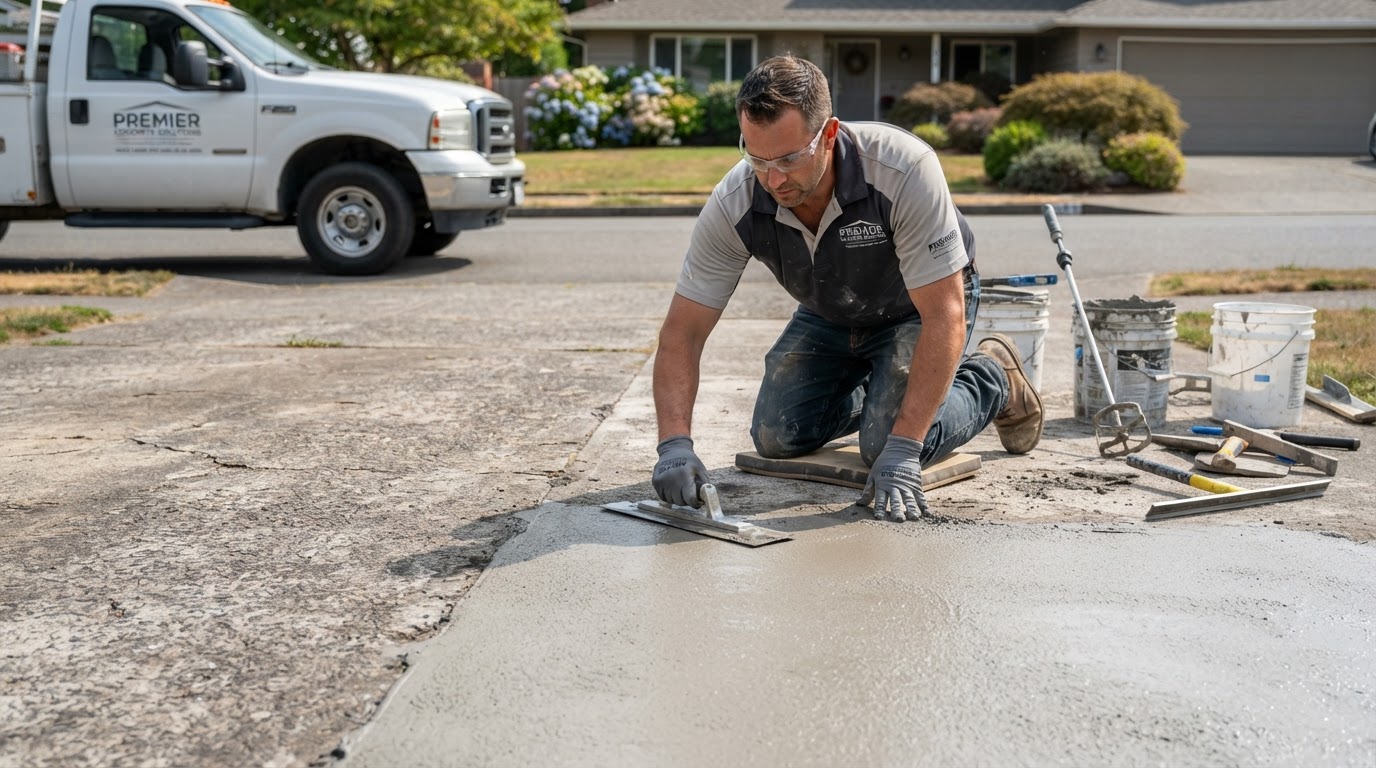
Surface-renewal methods for suitable existing concrete, including decorative and protective finish options.
Learn More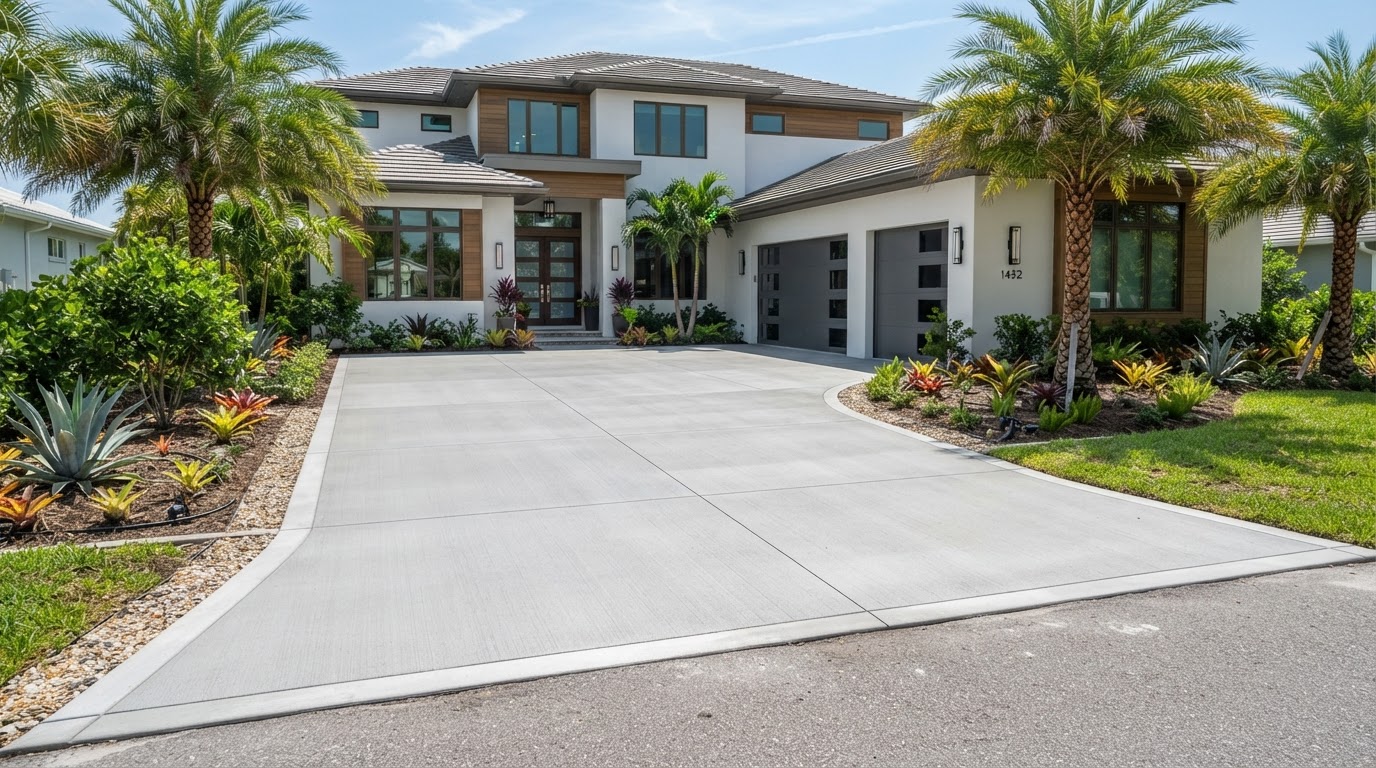
Concrete Driveways
New, replacement and resurfaced concrete driveways planned around access, drainage and finish.
Learn More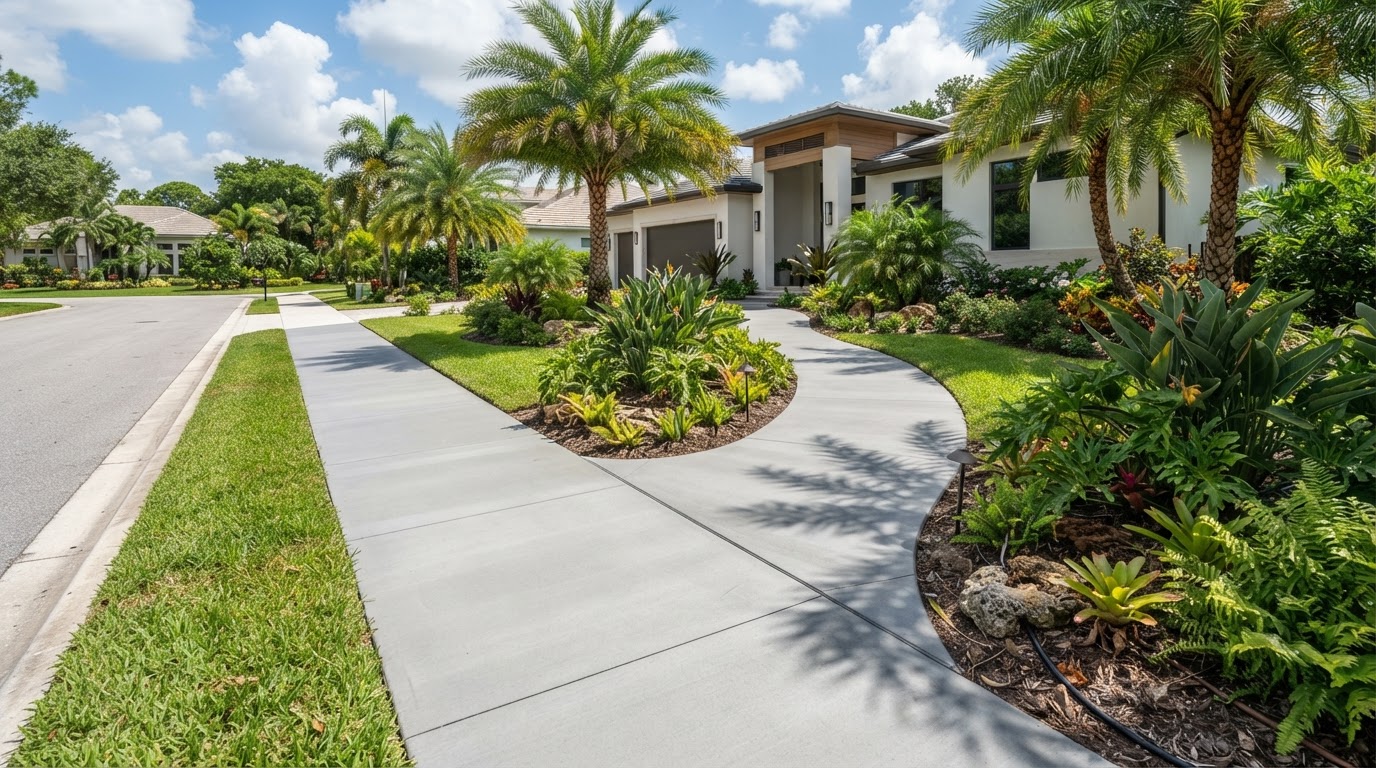
Concrete Walkways
Residential concrete walkways with consistent finish, slope and joint placement.
Learn More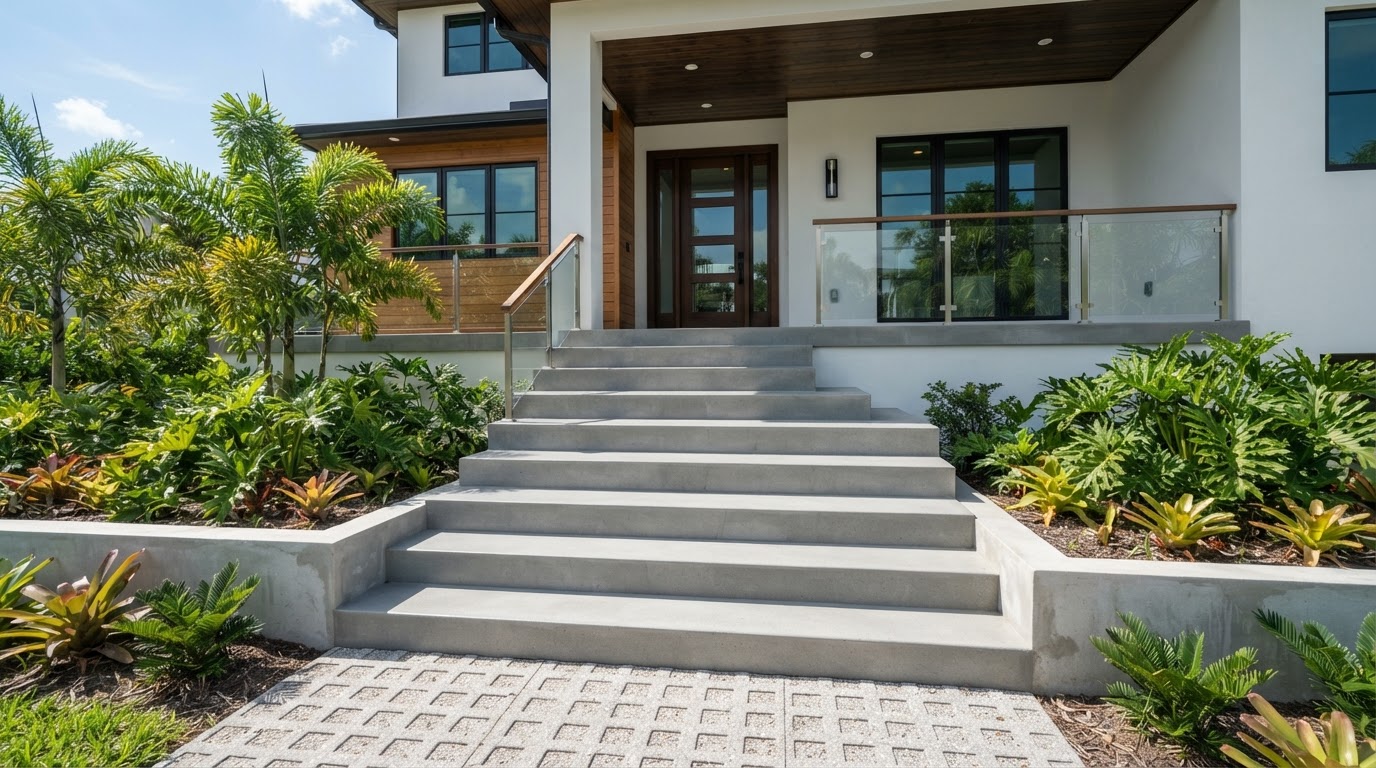
Concrete Steps & Stairs
Custom poured entry steps, staircase installations and stair repairs built for safe, comfortable use.
Learn More