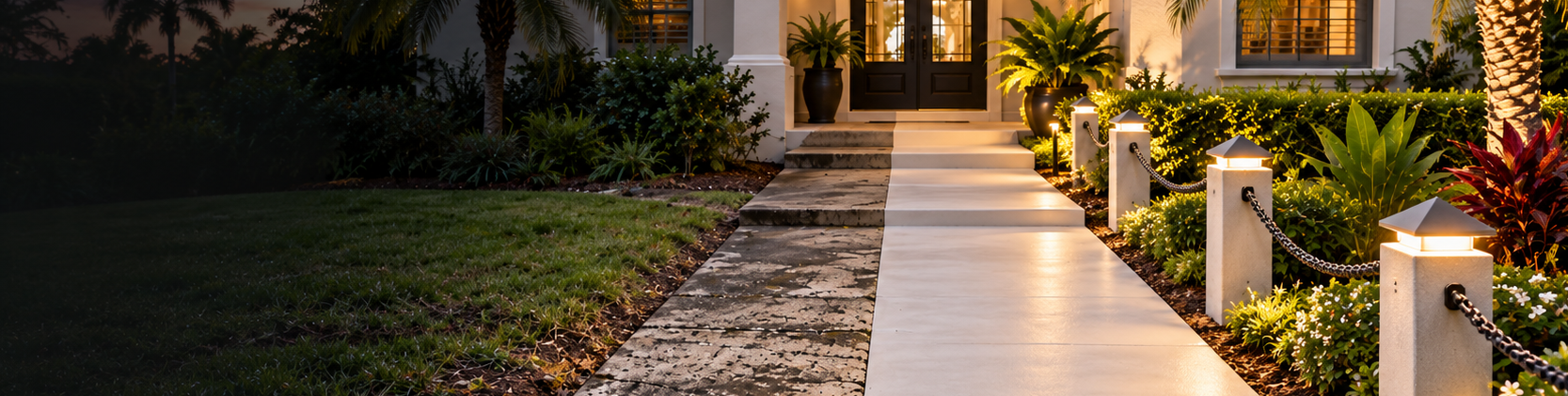
Tampa Concrete Resurfacing That Gives Worn Surfaces a Fresh Start
If the concrete is still worth keeping, resurfacing can change how the whole area looks without starting over. New City gives worn driveways, patios, walkways and pool decks a fresh finished surface.
Keep the concrete. Change how the property feels.
Start With Whether the Existing Slab Is Still Worth Keeping
Resurfacing makes the most sense when the concrete underneath is still suitable but the exposed surface has become worn, dated or visually inconsistent. That may include a driveway that has lost its finished appearance, a patio that feels tired beside the rest of the backyard, a walkway with broader surface wear or a pool deck that needs a different look and texture.
The first question is not which overlay or finish to choose. It is what condition the existing concrete is actually in. New City starts there. Cracks, movement, settlement, previous coatings, moisture, drainage and surface deterioration can all affect whether resurfacing is the right direction or whether repair or replacement should be considered first.
What this service includes
- Review of the existing concrete and surrounding conditions
- Surface cleaning and preparation for the selected system
- Compatible localized repairs where appropriate
- Removal or preparation of incompatible coatings where required
- Application of the selected resurfacing or renewal system
- Finish, texture or color choices appropriate to the project
- Project-specific care and return-to-use guidance
- Cleanup and final walkthrough
Is Resurfacing the Right Starting Point?
The appearance of the surface matters, but the condition underneath determines which options are worth considering. Three different situations can lead to three very different conversations.
A Good Candidate for Resurfacing
Concrete that remains generally stable but looks worn, dated or uneven in appearance may be worth evaluating for a compatible resurfacing system.
Repair May Come First
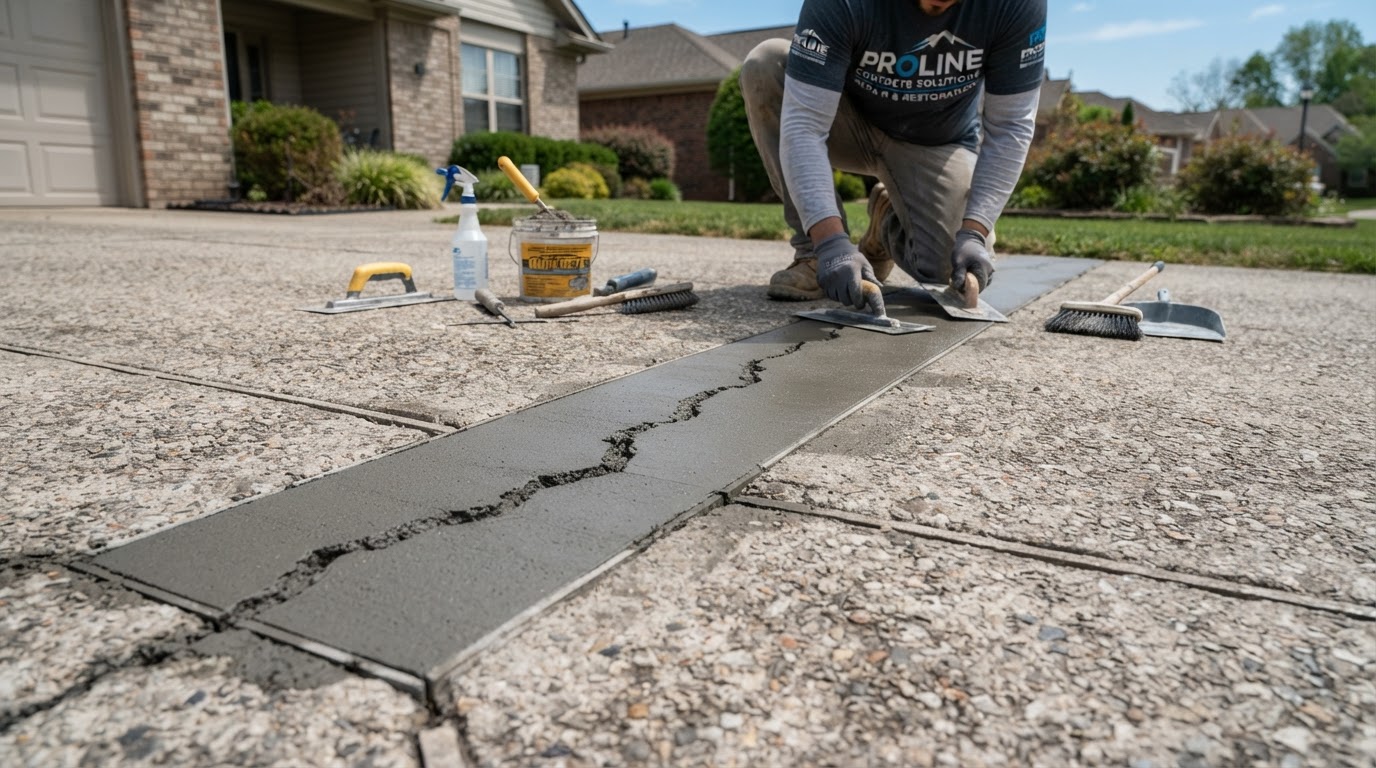
Localized cracks, spalls, damaged joints or previous coatings may need attention before a new surface can be considered.
Replacement May Make More Sense
Continuing movement, settlement, widespread deterioration or loss of support can make another surface layer a poor starting point.
Choose the Renewal Method After the Slab Is Understood
Concrete resurfacing is a broad category. Some systems place a new surface layer over properly prepared concrete. Other approaches, such as polishing, work directly with the existing slab instead of covering it.
The right direction depends on the condition of the concrete, where the surface is located, moisture exposure, traffic, existing coatings and the appearance you want when the work is finished. Start with the slab first. Then narrow the method.
Polished Concrete for a Suitable Existing Floor
Polishing works differently from an overlay. Instead of placing a separate decorative layer over the slab, mechanical grinding and refinement use the existing concrete itself as the finished floor.
The final appearance depends partly on what is already in the slab. Aggregate, patches, cracks, previous repairs and natural variation may remain visible and become part of the finished surface.
Polished concrete is generally most relevant where the slab itself is intended to remain the finished floor. The existing coatings, moisture conditions, traffic, maintenance needs and desired appearance should be reviewed before deciding whether polishing fits the project.
Understand What the New Surface Has to Bond To
Existing Coatings and Adhesives
Paint, epoxy, tile adhesive or another bonded material can affect preparation and whether the existing surface is suitable for the next system.
Cracks, Joints and Previous Repairs
Existing cracks, joints and patches should be reviewed because some movement or previous repair work may remain visible or require attention before resurfacing.
Moisture and Drainage
Moisture exposure, standing water and surrounding drainage can affect whether a resurfacing system makes sense and how the surface should be prepared.
Use and Exposure
Vehicle traffic, foot traffic, poolside use, sunlight, cleaning and other everyday conditions should influence the surface system and finish.
Preparation Gives the New Surface a Place to Hold
Clean and Remove What Does Not Belong
Remove dirt, loose material and incompatible surface contaminants or coatings as required for the selected system.
Address Compatible Repairs
Treat cracks, spalls, joints or other localized defects where the selected resurfacing approach requires repair before the new surface is applied.
Prepare the Surface Profile
Grinding, cleaning or another preparation method may be used to create the surface condition required by the actual resurfacing system.
Choose the Finish Around the Space
A driveway, patio, pool deck and interior floor do not place the same demands on a resurfaced surface. The location should influence texture, appearance, maintenance and the system considered for the project.
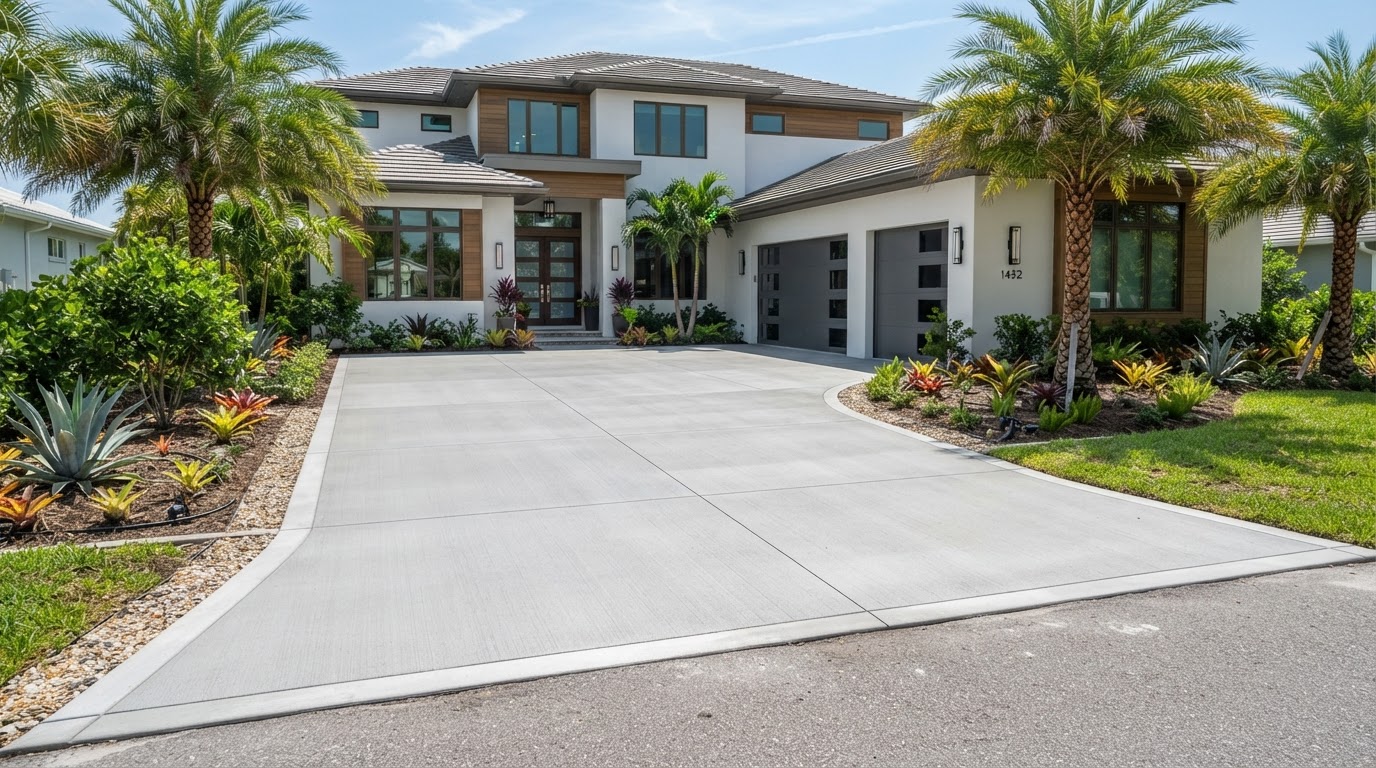
Driveways
Vehicle traffic, tire movement, access, drainage and the scale of the surface all matter when evaluating a resurfacing option for a driveway.
Patios and Walkways
These areas are experienced up close and should balance appearance, everyday foot traffic, surrounding landscaping and outdoor exposure.
Pool Decks
Direct sun, wet foot traffic, drainage and bare-foot use should be part of the finish decision around a pool.
Interior or Covered Floors
Traffic, moisture, cleaning needs and the desired appearance should guide whether polishing or another verified floor system is appropriate.
Change the Surface Without Pretending the Slab Is New
A compatible resurfacing system can give suitable existing concrete a cleaner, more consistent appearance without automatically removing the slab underneath. Depending on the system, the new surface may introduce a different texture, color, decorative pattern or more uniform finish.
But resurfacing does not erase the history of the concrete beneath it. Existing movement, drainage conditions, structural problems and some repaired areas may still influence the finished result. That is why the condition of the slab remains part of the decision even when the goal is largely visual.
- Preserve suitable existing concrete instead of automatically tearing it out
- Change the appearance, texture or color where the selected system allows
- Coordinate the finish with surrounding property improvements
- Prepare and repair suitable surface defects before application
- Keep drainage and moisture conditions part of the planning
- Expect maintenance to follow the actual resurfacing system installed
- Understand that continuing movement beneath the surface can affect the finish
- Confirm product-specific limitations before the project begins
Skim-Coat and Cementitious Resurfacing
A compatible cementitious resurfacing system can place a thin renewal layer over properly prepared concrete. It may be considered when an existing slab remains suitable but the exposed surface is worn, visually inconsistent or affected by minor surface imperfections.
Preparation still matters. Active movement, significant delamination, ongoing moisture problems or deeper deterioration may need another solution before a new surface layer makes sense.
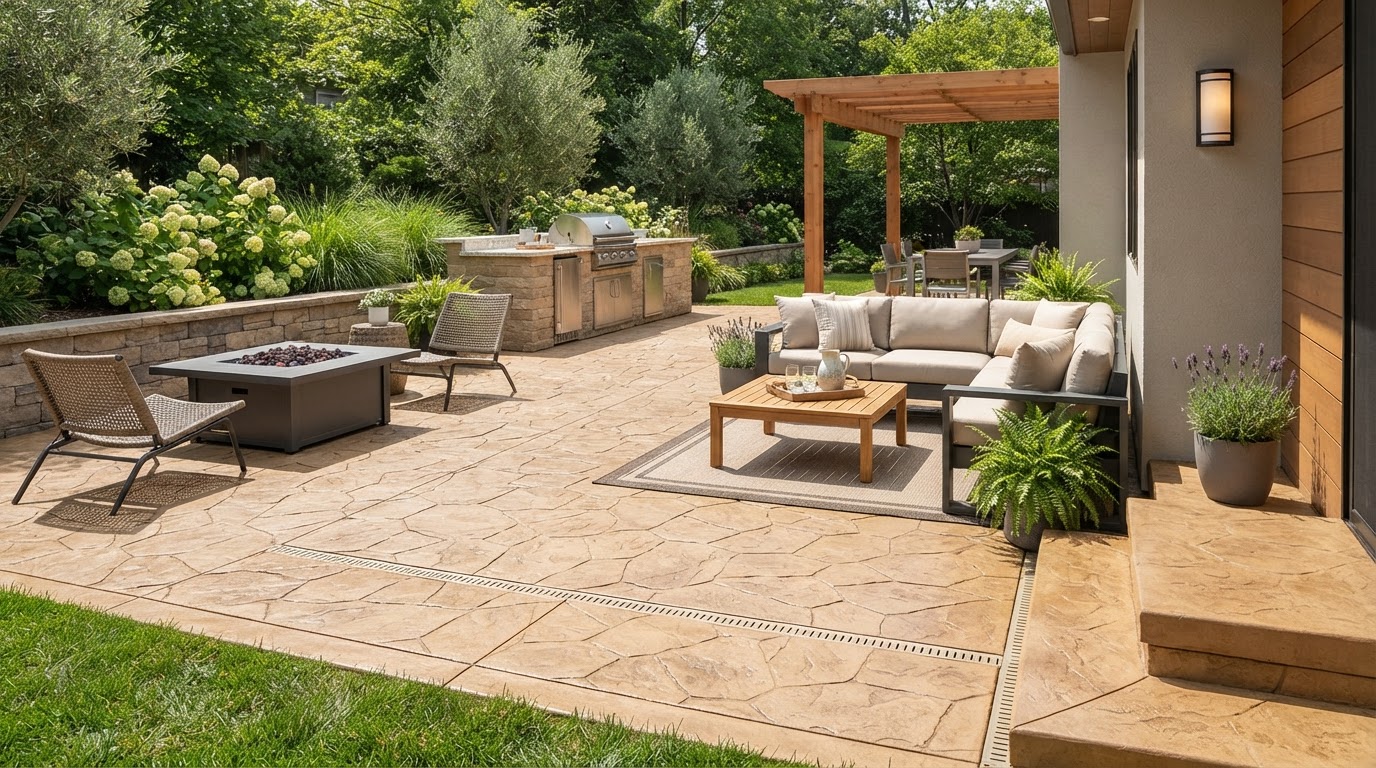
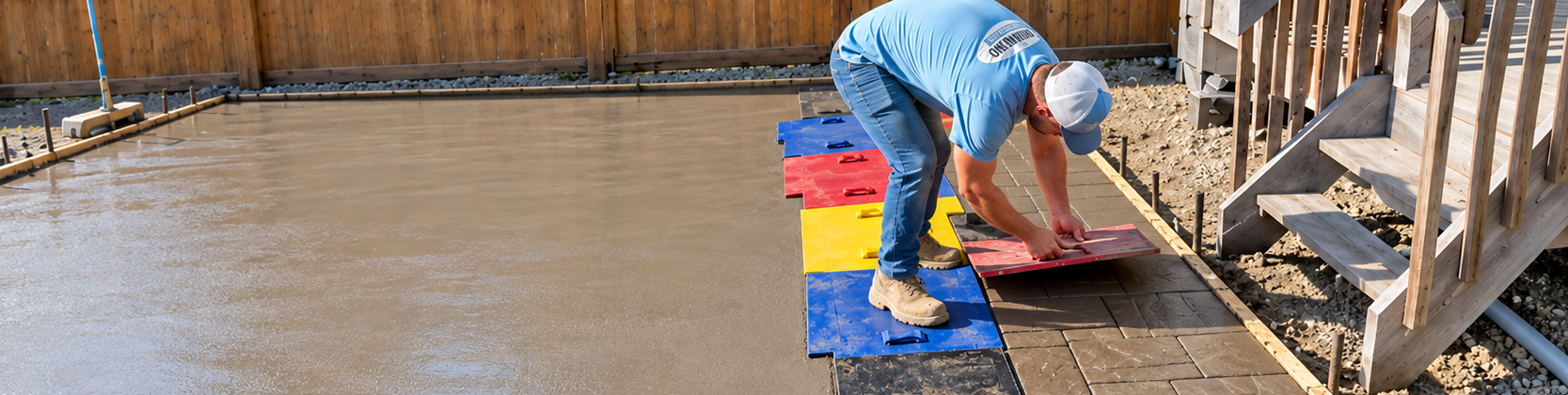
Stenciled and Stamped Overlays
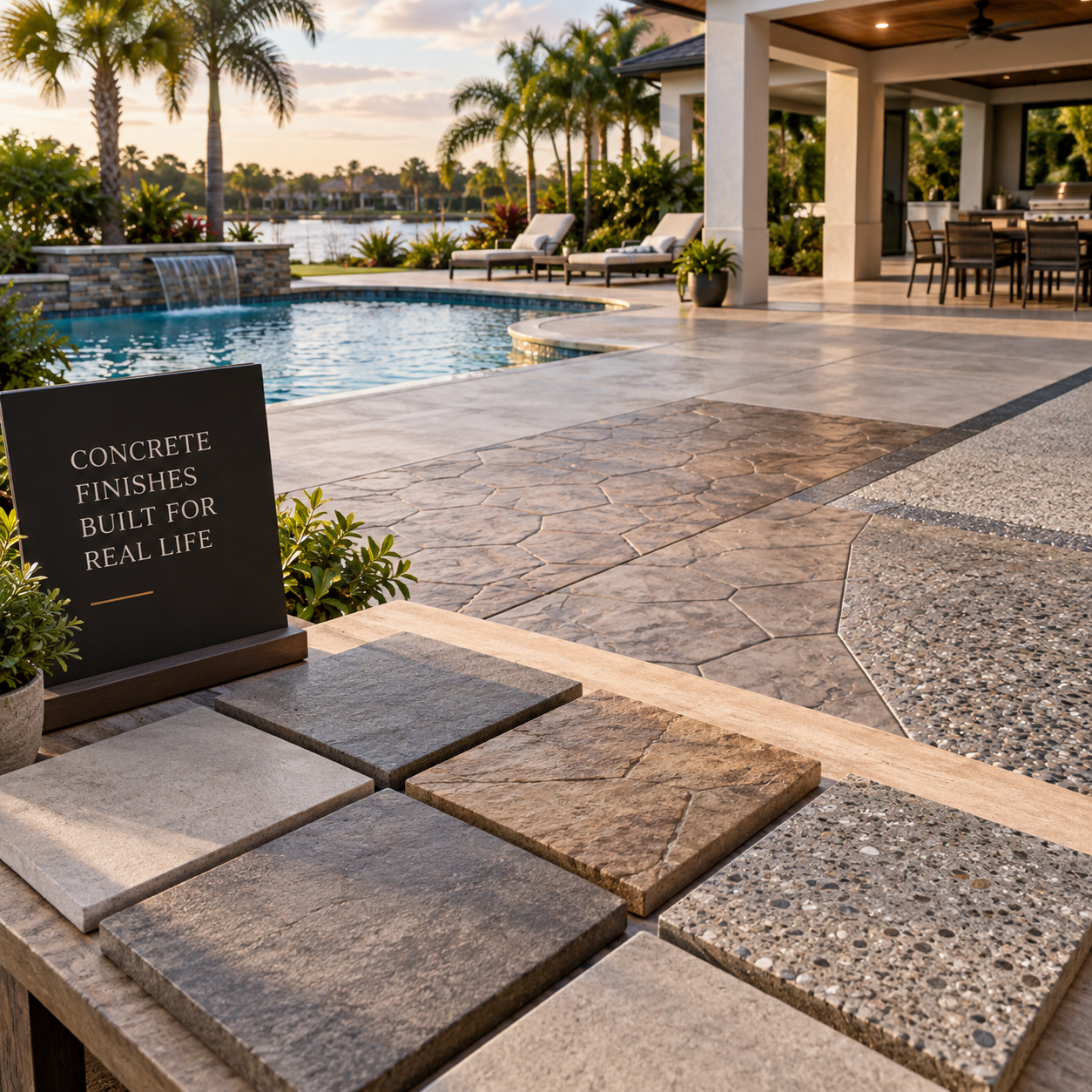
A compatible decorative overlay can introduce pattern, texture and color over suitable prepared concrete. Depending on the system, the finished surface may draw inspiration from stone, brick, tile, flagstone or other materials without requiring the existing slab to be automatically removed.
The design should come after the slab has been evaluated. Surface preparation, previous coatings, cracks, drainage, pattern scale, color and maintenance can all influence whether a decorative overlay makes sense.
Pool-Deck and Textured Surface Systems
Compatible textured cementitious or polymer-modified surface systems may be considered for suitable pool decks, patios and other outdoor concrete. They can change the appearance and texture of prepared concrete while creating a renewed wear surface.
Around a pool, color, texture, direct sun, drainage, wet foot traffic and maintenance should all be considered together. Lighter colors and some verified surface systems may absorb less heat than darker alternatives, but outdoor concrete exposed to Tampa sun can still become hot.
Let the Condition of the Slab Decide What Comes Next
Before choosing a resurfacing method, look at what the existing concrete is doing now. Cracks, movement, settlement, moisture, drainage, previous coatings and broader surface deterioration can all affect which options are realistic.
Some slabs may be good candidates for resurfacing. Others may need localized repair first. And when the underlying condition no longer gives a new surface a dependable place to perform, partial or complete replacement may be the better conversation.
What Shapes the Cost of Concrete Resurfacing in Tampa?
Square footage matters, but the condition of the existing concrete can affect the scope just as much as the size of the area. Removing old coatings, cleaning and profiling the surface, repairing suitable defects, working around difficult access and preparing for the selected resurfacing system can all change the amount of work involved.
The finish matters too. A straightforward renewal surface and a decorative overlay with pattern, color or borders can involve very different preparation and installation requirements. The most useful estimate comes after the existing concrete and desired finish have been reviewed.
Let's Talk About Your ProjectWhat can affect the estimate
- Size, shape and location of the surface
- Condition of the existing concrete
- Removal of coatings, adhesives or failed material
- Crack, joint or surface-repair preparation
- Access and surrounding site conditions
- Resurfacing system and finish selected
- Decorative pattern, texture, color or border complexity
- Protective treatment or finish-specific requirements
Questions About Concrete Resurfacing in Tampa
Is the Existing Concrete Worth Resurfacing?
Show us the surface you want to improve and what is happening with the concrete now. New City can look at the condition, talk through the finish you have in mind and help determine whether resurfacing, repair or replacement makes the most sense.